

Farm Contractor & Large Scale Farmer
    Twitter LinkedIn
    • FREE Email Newsletters
    • About Us
    • Advertise
    • Subscribe
    • Contact Us
    Twitter LinkedIn
    Podcast
    Farm Contractor & Large Scale Farmer
    • News
      • Arable & Agronomy
      • Dealership News
      • Environmental Land Management Scheme/Policy
      • Event News
      • Health & Safety
      • Machinery
      • People
      • World News
    • Farm Machinery
      • Amenity & Maintenance
      • Cultivations
      • Drilling
      • Grassland Equipment
      • Harvesting
      • Muck & Slurry
      • Sprayers
      • Telehandlers
      • Tractors
      • Tractor of the Year
      • Tyres & Tracks
      • Whatever happened to?
    • Precision Farming
    • Markets & Policy
    • Profiles
      • National Arable and Grassland Awards
      • Company Profiles
      • Reader Profiles
    • Livestock
      • Beef
      • Dairy
      • Sheep
    • Magazines
      1. October 2026
      2. September 2026
      3. August 2026
      4. 2026 Drills and Seeds supplement
      5. July 2026
      6. June 2026
      7. May 2026
      8. April 2026
      9. March 2026
      10. 2026 Tyre Developments supplement
      11. February 2026
      12. January 2026
      13. December 2025
      14. November 2025
      15. 2025 Agritechnica preview
      16. October 2025 issue
      17. September 2025 issue
      18. August 2025 issue
      19. 2025 Drills and Seeds supplement
      20. July 2025 issue
      21. June 2025 issue
      22. Cereals event guide 2025
      23. May 2025 issue
      24. April 2025 issue
      25. March 2025 issue
      26. 2025 Tyre Developments supplement
      27. February 2025 issue
      28. National Arable and Grassland Awards supplement
      29. January 2025 issue
      30. December 2024 issue
      31. November 2024 issue
      32. October 2024 issue
      33. September 2024 issue
      34. August 2024 Issue
      35. 2024 Drills and Seeds supplement
      36. July 2024 Issue
      37. Cereals Supplement
      38. June 2024 Issue
      39. May 2024 Issue
      40. April 2024 Issue
      41. Tyres and Tracks Supplement
      42. March 2024 Issue
      43. National Arable & Grassland Award – Meet the Finalists
      44. February 2024 Issue
      45. January 2024 Issue
      46. December 2023
      47. Agritechnica Preview Supplement
      48. November 2023
      49. October 2023
      Featured

      October 2026 issue available now

      By Matthew TiltOctober 1, 2026
      Recent

      October 2026 issue available now

      October 1, 2026

      September 2026 issue available now

      September 1, 2026

      August 2026 issue available now

      August 2, 2026
    • Events
    • Podcast
    Farm Contractor & Large Scale Farmer
    Livestock

    Fermented wholecrop could be lifeline if facing tight grass silage stocks

    John SwireBy John SwireJune 18, 20203 Mins Read
    Facebook Twitter LinkedIn Email

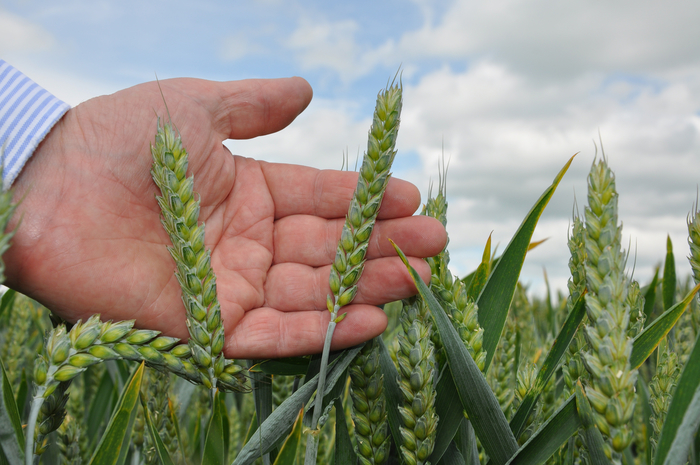
    Harvesting an area of cereal crop for fermented wholecrop silage could provide a lifeline for keeping cattle fed this winter in areas where spring drought has left grass silage clamps depleted, says Volac livestock specialist, Ken Stroud.

    Although there are still opportunities to boost flagging clamps with further grass silage cuts, grass has typically done the majority of its growing by the time we get through June, says Mr Stroud.

    Assessing grass silage stocks in mid-summer therefore fits perfectly with deciding whether to harvest some cereals for wholecrop, he adds.

    “As well as maximising the yield and quality from remaining grass cuts, making some wholecrop could be an excellent top-up for livestock farmers facing grass shortfalls this season,” says Mr Stroud.

    Ken Stroud
    Ken Stroud

    “Wholecrop winter wheat can yield 12-15 tonnes of dry matter (DM) per hectare – which is more than three cuts of grass in a dry season. Spring barley is another option for wholecrop. Although it is likely to be lower-yielding, a lot of it has been planted this year. If you aren’t growing cereals, maybe look into buying a standing crop.”

    As with any silage, achieving maximum feed value from wholecrop demands effective preservation, says Mr Stroud. Many farmers preserve it by fermentation, he says, because this is a low cost and straightforward method.

    “Although fermented wholecrop can be made at crop dry matters ranging from 30-60%, cutting at 45-50% DM gives a good balance between providing moisture and sugars for fermentation and good starch content in the cereal grain,” says Mr Stroud. “Starch content can be as high as 35%.

    “Typically, this 45-50% DM level occurs as grain moves from the soft to hard ‘cheese’ stage but with no ‘milk’ detectable. Be careful not to overshoot this. Harvesting at higher dry matters will increase yield and starch content but reduce digestibility, and once cereal DM reaches 45% it can increase rapidly during hot weather by 2% a day.”

    For the best preservation, Mr Stroud says as well as taking steps to aid the fermentation, it is vital to remember that, as a fairly dry and fibrous forage, wholecrop is highly prone to losses from heating. This is caused by yeast and mould growth, which is triggered by the presence of air.

    Good consolidation to remove air from clamps is therefore imperative, he says. Rather than filling clamps in six inch layers before rolling, as typically recommended for grass silage, he advises just four inch layers to aid consolidation. The additive used also needs to inhibit yeast and mould growth as well as targeting improved fermentation, he stresses.

    “Ecocool, for example, contains two strains of beneficial bacteria designed to tackle both of these issues. Treating isn’t expensive compared with a clamp of good silage,” he adds.

    “Prior to sealing the clamp, another tip is to put a layer of at least a grab depth of fresh grass on top of the wholecrop and consolidate this too. This will add extra weight and an extra barrier against air to help keep the top of the clamp cool.

    “Using the correct chop length is also important when harvesting wholecrop. Consider a chop length of around 2 cms to both aid consolidation and provide effective fibre in the diet for optimum rumen functioning,” Mr Stroud concludes.

    Tweet
    Share
    Share
    Pin
    Share. Facebook Twitter LinkedIn Email
    Previous ArticleAgricultural business adviser calls Dairy Response fund a ‘headline maker’
    Next Article UK-wide consultation into dairy sector to tackle supply chain issues launched
    John Swire

    Read Similar Stories

    October 2026 issue available now

    October 1, 2026

    Warning as bluetongue cases increase in Wales

    September 1, 2026

    September 2026 issue available now

    September 1, 2026
    Most Read Stories

    Farmer-built AI system helps pick-your-own ticketing

    October 7, 2026

    Alliance partners with Kevin Burke Tyres to strengthen Irish market share

    October 7, 2026

    Claydon extends export business

    October 7, 2026
    Farm Contractor & Large Scale Farmer

    The UK's leading agricultural machinery journal

    Twitter LinkedIn
    © 2024 MA Agriculture Ltd, a Mark Allen Group company

    Privacy Policy | Cookies Policy | Terms & Conditions

    • Farmers Weekly
    • AA Farmer
    • Poultry News
    • Pig World

    Type above and press Enter to search. Press Esc to cancel.